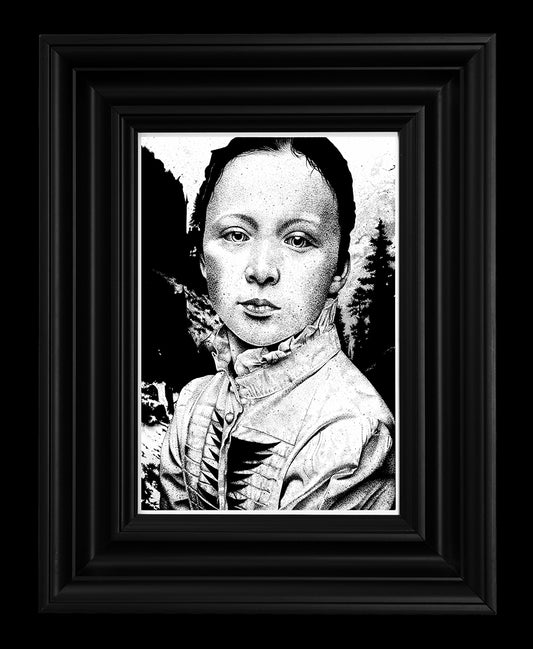
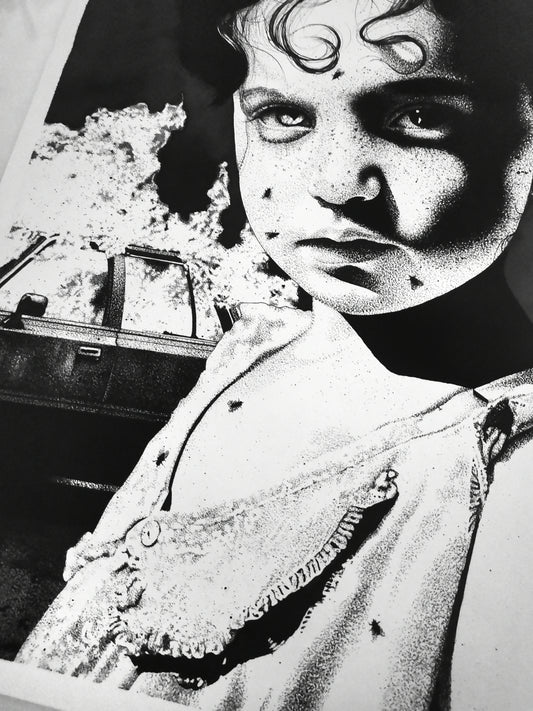
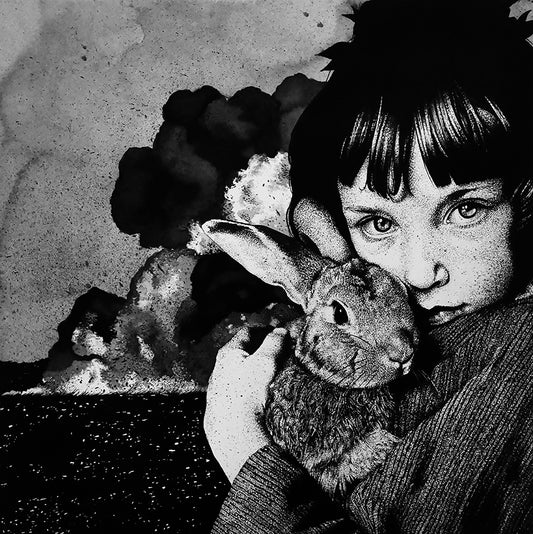
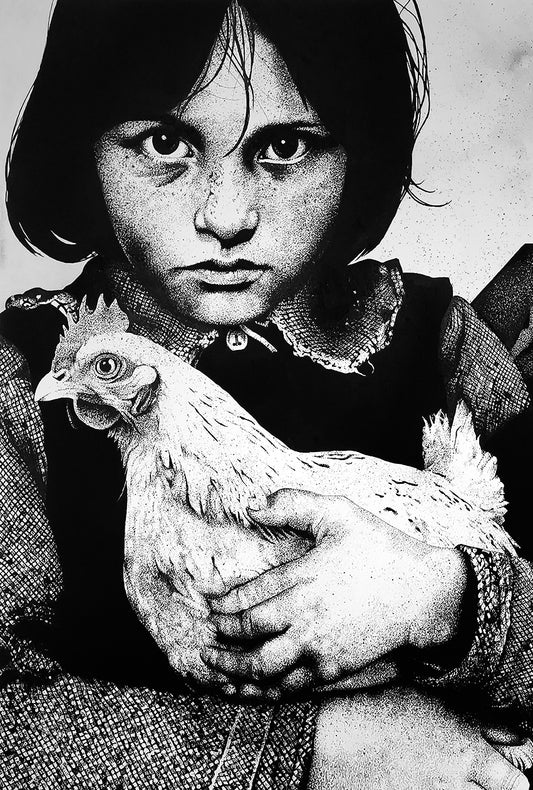
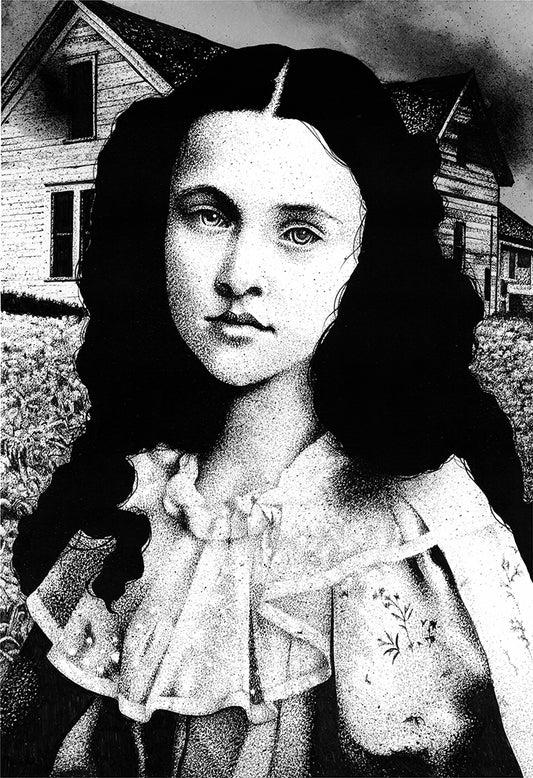
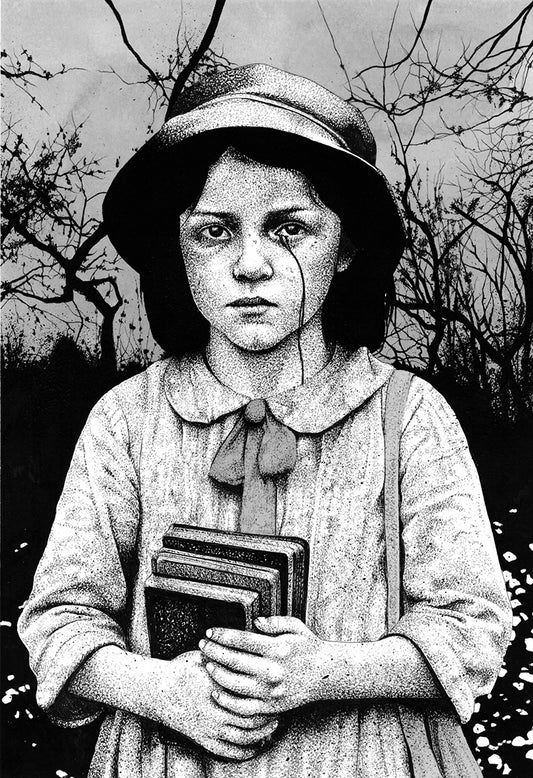
Collection: Troubled Kids Series
We live in an era that demands to pre-adolescents to be high-performing, precocious, and perfect. Parents anxiously become "managers" of their children's lives. But the adolescent brain is biologically programmed for mistakes and exploration. Troubled kids may be the healthiest individuals in the system: those who refuse to adapt to a hyper-competitive lifestyle devoid of authentic listening. This perspective completely overturns the traditional clinical narrative: here, "problematic behavior" is not a pathology, but a form of biological and existential resistance.Seeing troubled youth as "healthier" subjects of the system means considering their rebellion a vital warning signal.In coal mines, miners used to bring canaries: if the bird stopped singing or died, it meant the air was toxic to everyone. If a teenager shows anxiety, anger, or rejection, it's a sign that the surrounding environment has become emotionally unbearable.Those who "adapt" perfectly to a toxic system (hypercompetitive and based on appearance) may be, paradoxically, more alienated than those who react with anger. The troubled kid is one who is unable or unwilling to betray his True Self. His "misconduct" is an act of brutal honesty: he prefers to be hated for who he truly is (angry, confused, suffering) rather than loved for a version of himself that doesn't exist.
Every artwork will come with a Certificate of Authenticity, a bespoke wooden black frame with a Museum quality anti-reflective glass Artglass AR-70 and a bespoke wooden crate to ensure a perfect and safe worldwide shipping.
Payment plans welcome - Artworks may also be reserved with a deposit
PayPal installments available (Up to 24 months)


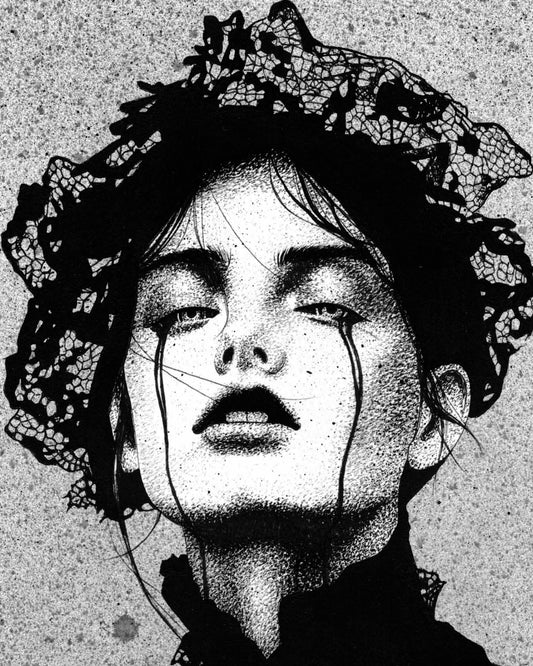 Sold out
 Sold out
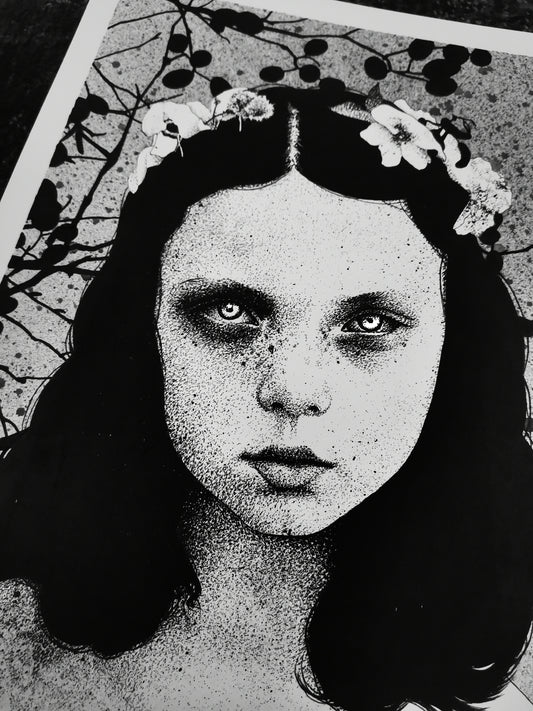 Sold out
 Sold out